Checking Out the Innovative Methods Used in Modern Aluminum Foundries
Modern aluminum foundries are going through a considerable transformation with the fostering of cutting-edge strategies. Advanced casting approaches, clever automation, and sustainable methods are improving manufacturing processes. These improvements not just enhance performance yet also address environmental worries. As the market develops, the assimilation of digital modern technologies plays an important role. Understanding these modifications is essential for understanding the future of aluminum production and its ramifications for worldwide markets. What lies ahead in this vibrant sector?
Advanced Casting Techniques
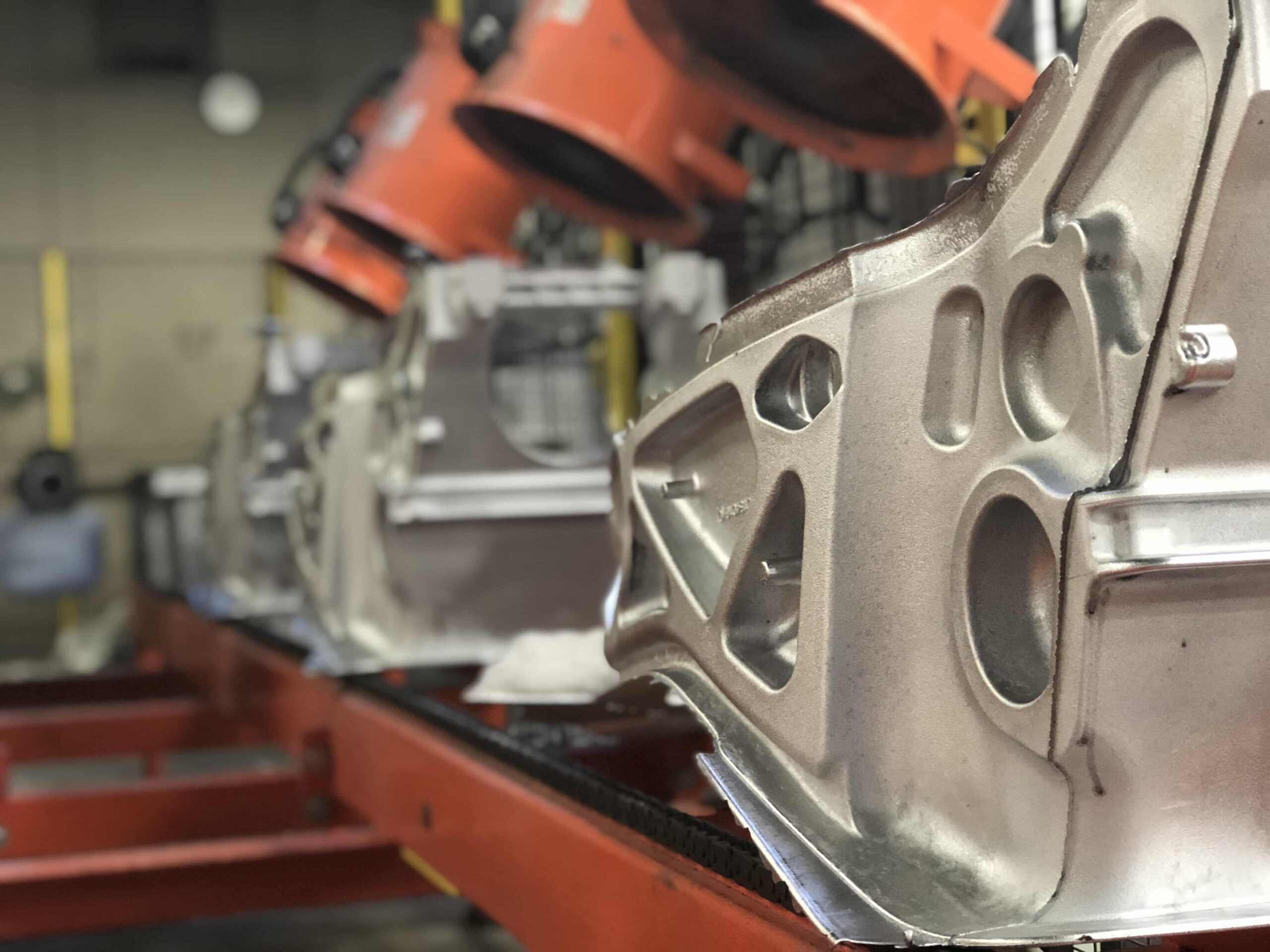
In addition, developments in thermal control and mold layout have actually contributed to even more regular casting outcomes. These technologies enable for far better control of cooling down prices, decreasing flaws and improving mechanical residential properties. Consequently, producers can produce lightweight yet long lasting parts, meeting the increasing needs of numerous markets, including automobile and aerospace, for high-performance aluminum components.
Smart Automation and Robotics
The assimilation of smart automation and robotics in aluminum foundries marks a substantial innovation in manufacturing performance. These innovations enable precision and consistency in manufacturing processes, significantly reducing human error and improving safety. Automated robot systems take care of repeated tasks, such as molding, putting, and cooling, enabling human operators to concentrate on more facility duties that need critical thinking and oversight.
In addition, clever sensing units and AI-driven analytics give real-time information surveillance, facilitating predictive upkeep and lessening downtime. This leads to optimized source appropriation and enhanced power intake, adding to overall sustainability in manufacturing.
Moreover, the adaptability of robotic systems enables quick modifications to transforming manufacturing demands, boosting versatility in production. As foundries increasingly adopt these sophisticated innovations, they not only improve operational efficiency however likewise position themselves as leaders in advancement within the steel casting market.
Additive Manufacturing in Foundries
Transforming standard manufacturing techniques, additive production is transforming aluminum foundries by allowing the creation of intricate geometries that were previously unattainable. This strategy enables for the layer-by-layer building of components, substantially minimizing material waste and reducing production times. Therefore, foundries can produce intricate layouts that enhance performance and performance, providing to the expanding demands of different sectors.
Additive production helps with fast prototyping, allowing engineers to test and iterate designs quickly. This dexterity not only speeds up the development cycle yet likewise helps in identifying potential issues prior to full-scale manufacturing starts. The assimilation of sophisticated products and processes in additive manufacturing further improves the mechanical residential properties of aluminum components, advertising advancement in item style. Aluminum foundries that adopt these techniques position themselves at the leading edge of industry improvements, making sure competition in an ever-evolving market landscape.
Lasting Practices and Recycling
Lasting techniques in aluminum foundries are increasingly concentrated on improving reusing processes and taking on green casting techniques. These technologies intend to decrease waste and energy intake while making the most of making use of recycled products. As the sector develops, the combination of sustainability into production techniques comes to be essential for fulfilling environmental criteria and customer needs.
Recycling Process Improvements
As industries significantly acknowledge the environmental influence of waste, aluminum foundries are taking on cutting-edge reusing procedure enhancements to enhance sustainability. These developments concentrate on minimizing power intake and maximizing product recovery. Lots of foundries are executing closed-loop systems that reuse scrap aluminum generated during production, minimizing waste and minimizing the requirement for virgin products. Advanced sorting innovations, such as automated optical sorting, boost the separation of various aluminum qualities, boosting the performance of the reusing process. Additionally, some foundries are using hydrometallurgical techniques to recoup aluminum from complex waste streams. By integrating these enhancements, aluminum foundries not only contribute to a round economic situation however also decrease their carbon footprint, straightening with global sustainability goals.
Eco-Friendly Casting Techniques
While traditional casting techniques usually involve significant power intake and material waste, aluminum foundries are progressively embracing environmentally friendly casting strategies that prioritize sustainability. Methods such as low-pressure die casting, which decreases air emissions, and the use of water-based mold releases add to reduced ecological influence. In addition, improvements in 3D printing technology enable for the production of complex molds with much less product waste. Numerous foundries are also applying closed-loop systems that recycle water and aluminum scrap, additional decreasing resource consumption. By accepting eco-friendly energy resources, such as solar and wind power, these facilities improve their sustainability efforts. Overall, the adoption of eco-friendly techniques in aluminum casting not just benefits the environment yet additionally promotes economic performance and technology within the sector.
Improved Quality Assurance Procedures
Improved quality assurance steps in aluminum foundries are progressively reliant on innovative inspection modern technologies and real-time tracking systems. These innovations enable makers to discover flaws early and assure consistent item top quality. By incorporating these tools, foundries can substantially boost their functional efficiency and minimize waste.
Advanced Assessment Technologies
Advanced assessment modern technologies play an essential function in guaranteeing the quality and reliability of aluminum spreadings. These advanced techniques consist of non-destructive testing (NDT) methods such as ultrasonic screening, radiographic screening, and swirl present examinations. Each technique enables thorough exam of spreadings without compromising their architectural integrity. Advanced imaging methods, such as computed tomography, supply an extensive sight of interior features, enabling the detection of problems like spaces and additions. Furthermore, automated optical examination systems enhance precision by utilizing high-resolution video cameras and artificial here intelligence algorithms to evaluate surface top quality. By applying these innovative examination technologies, aluminum foundries can successfully minimize defects, ensuring that spreadings satisfy rigid sector standards and customer requirements.
Real-Time Tracking Equipments
As makers undertaking for excellence in aluminum casting, real-time tracking systems become a crucial improvement in quality assurance actions. These systems use innovative sensors and information analytics to continuously track essential criteria throughout the casting procedure, such as pressure, alloy, and temperature level composition. By offering prompt responses, they allow drivers to recognize discrepancies from excellent problems and make punctual modifications. This proactive method not just decreases defects yet additionally enhances general effectiveness and lowers waste - Aluminum Castings. Additionally, integration of real-time data right into manufacturing management systems assists in far better decision-making and boosts traceability. Consequently, real-time surveillance systems play a necessary duty in preserving high criteria of top quality in contemporary aluminum foundries, making sure that items meet rigid market specs
Digital Twin Technology for Optimization
The combination of digital twin technology enables foundries to examine various scenarios without disrupting real manufacturing. This capability cultivates a proactive technique to maintenance and source administration, ultimately minimizing waste and reducing functional costs. Additionally, the modern technology aids in procedure optimization by enabling engineers to imagine the effects of modifications in real-time, guaranteeing better results. Therefore, aluminum foundries embracing electronic twin technology are placed to accomplish better effectiveness and competitiveness in an increasingly demanding market.

Industry 4.0 and IoT Assimilation
The fostering of digital twin technology in aluminum foundries is component of a wider movement in the direction of Sector 4.0, defined by the integration of the Internet of Points (IoT) right into manufacturing procedures. This integration enables real-time tracking and data collection from various machinery and devices, bring about boosted operational performance. Sensors installed in machines gather crucial information, which is analyzed to enhance production workflows and anticipate maintenance demands.
In addition, IoT gadgets assist in interaction in between different manufacturing stages, enabling seamless control and minimizing downtime. By leveraging cloud computing, foundries can save and evaluate huge quantities of information, making it possible for more educated decision-making. This modern technology likewise sustains remote management, where operators can oversee processes from anywhere, enhancing responsiveness to production challenges. In general, the fusion of Market 4.0 and IoT within aluminum foundries is transforming typical techniques, making them a lot more agile and responsive to market demands.
Frequently Asked Questions
What Are the Key Advantages of Aluminum Over Various Other Metals?
Aluminum provides numerous advantages over various other metals, including its light-weight nature, outstanding deterioration resistance, high thermal and electrical conductivity, pliability, and recyclability, making it a preferred choice for different applications throughout multiple markets. - Aluminum Castings
How Do Modern Foundries Manage Hazardous Materials?
Modern foundries take care of hazardous materials via rigid security methods, progressed filtering systems, and recycling methods. Regular training guarantees workers recognize finest techniques, while keeping an eye on systems find and alleviate prospective threats to preserve a secure functioning atmosphere.
What Is the Common Lifespan of Aluminum Castings?
The common lifespan of aluminum spreadings varies from 20 to 50 years, depending on elements such as environmental conditions, use, and upkeep. Appropriate care can extend their longevity and efficiency substantially gradually.
Exist Any Health Threats Related To Aluminum Foundry Job?
Yes, aluminum factory work poses wellness dangers, including breathing concerns from inhaling fumes and dirt, skin irritability from call with molten metal, and potential direct exposure to damaging chemicals. Proper safety measures are necessary to alleviate these dangers.
How Do Shops Guarantee Employee Safety And Security in High-Temperature Environments?
Shops carry out extensive safety and security procedures, including protective gear, temperature level tracking systems, and routine training. These procedures guarantee that workers are outfitted to handle high-temperature settings, decreasing risks and advertising a safer office.
Countless advanced casting methods have arised in aluminum foundries, reinventing conventional procedures. Sustainable techniques in aluminum foundries are significantly concentrated on improving recycling procedures and adopting environmentally friendly casting strategies. Lots of foundries are executing closed-loop systems that recycle scrap aluminum created during production, reducing waste and decreasing the need for virgin materials. While standard casting methods commonly involve substantial power consumption and material waste, aluminum foundries are significantly embracing green casting methods that prioritize sustainability. While numerous industries are significantly taking on electronic modern technologies, aluminum foundries are leveraging electronic twin innovation to enhance operational efficiency and maximize manufacturing procedures.